Circadia
"Life is a nightmare, that prevents one from sleeping."Oscar Wilde
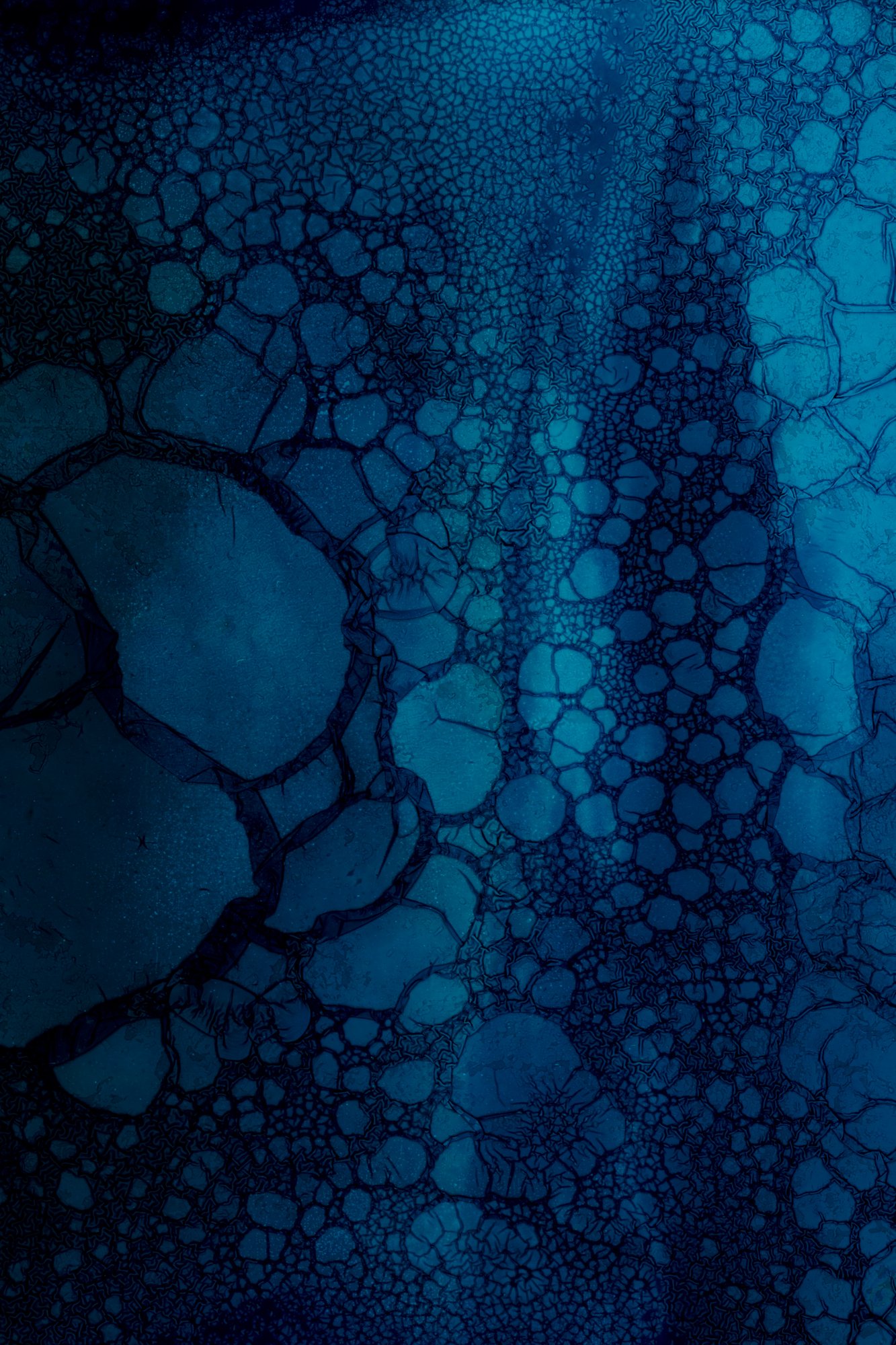

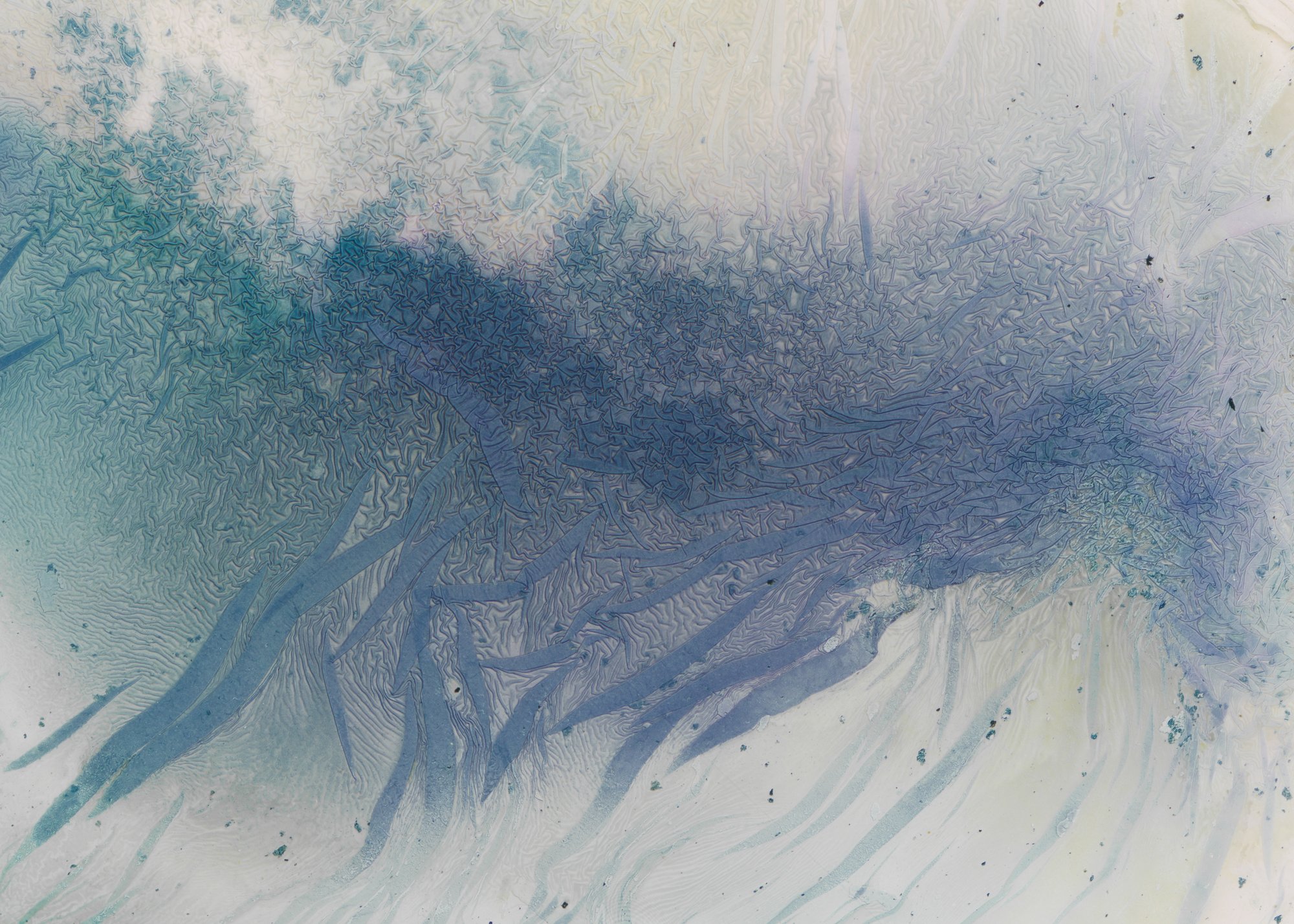
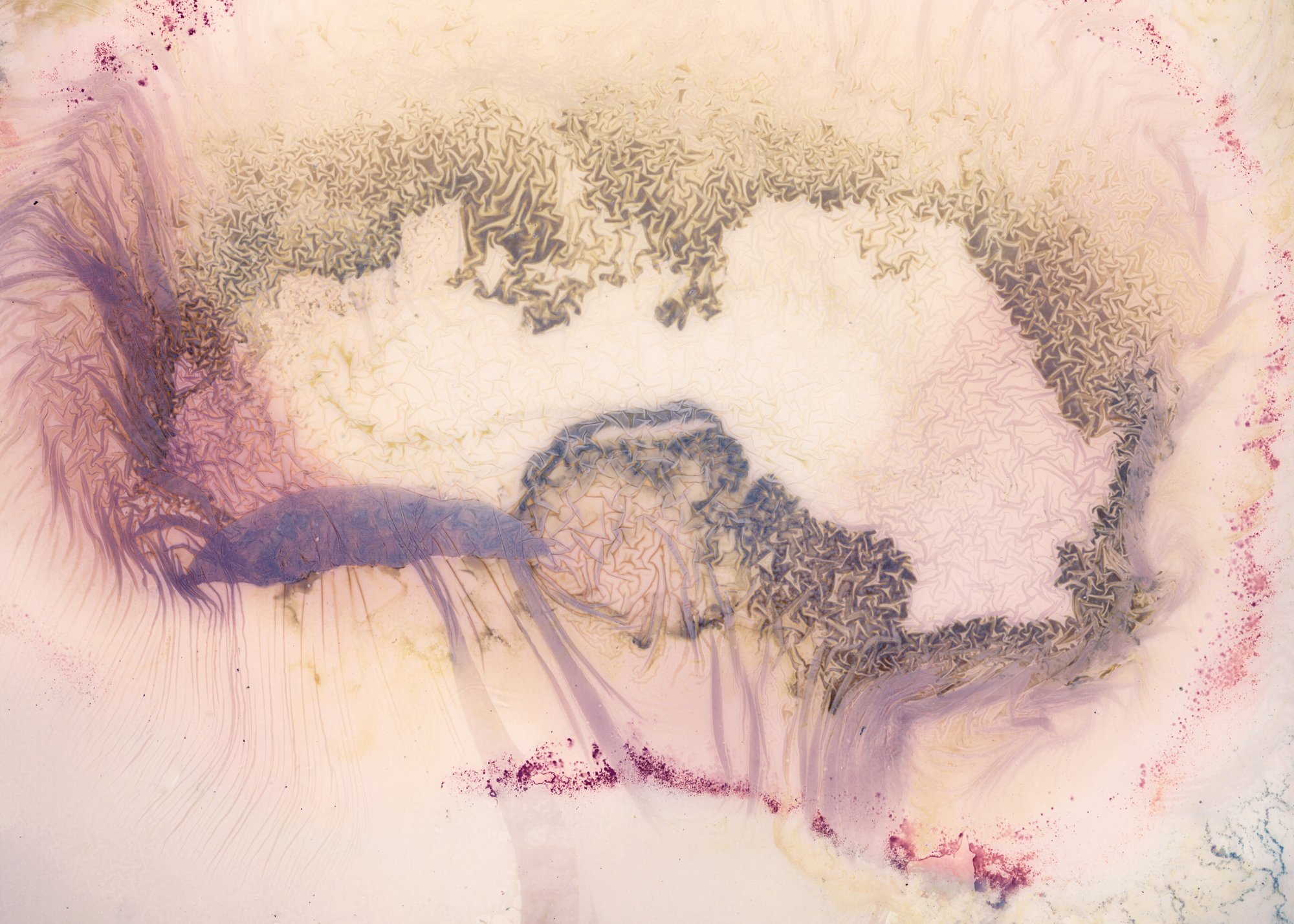

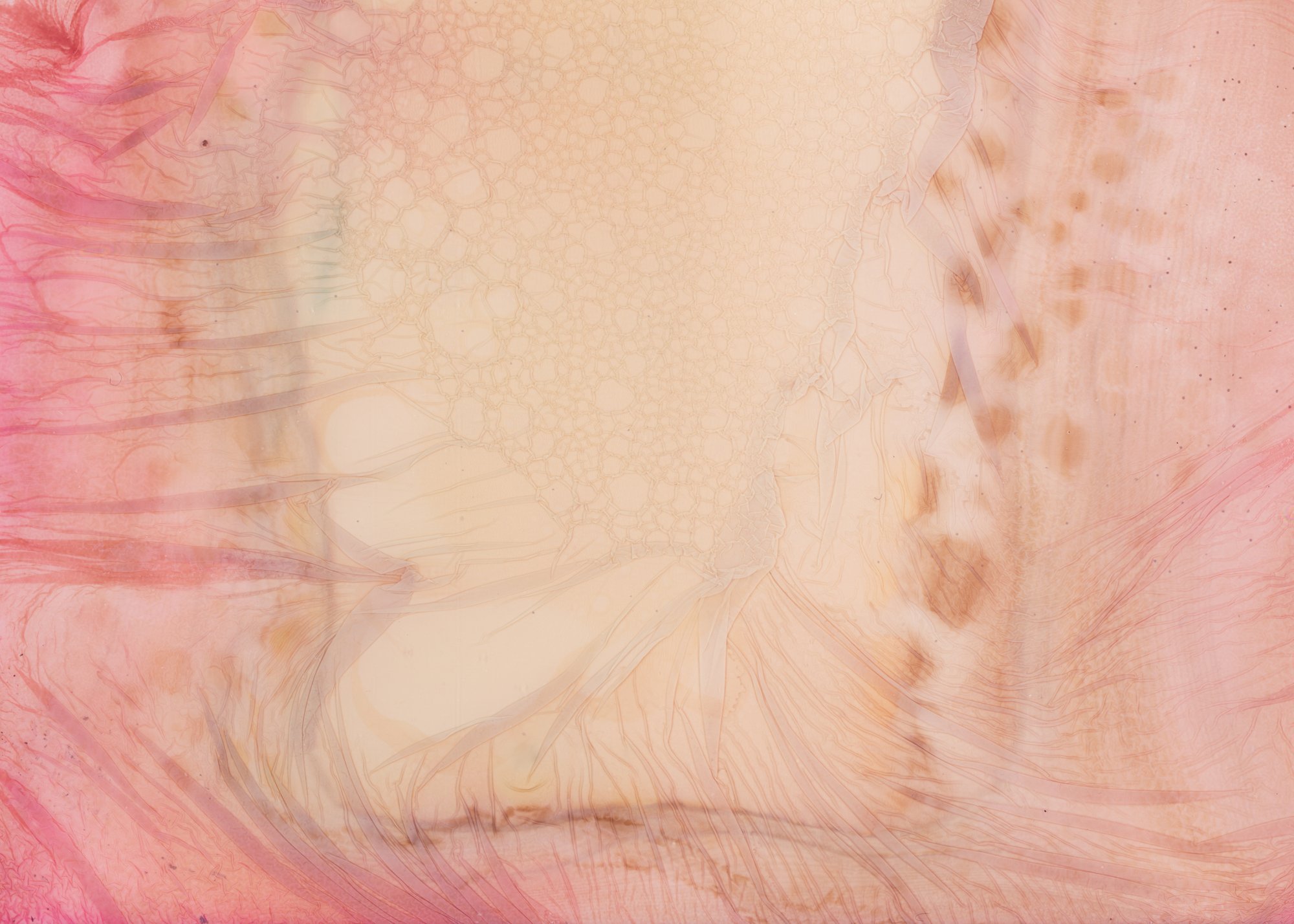
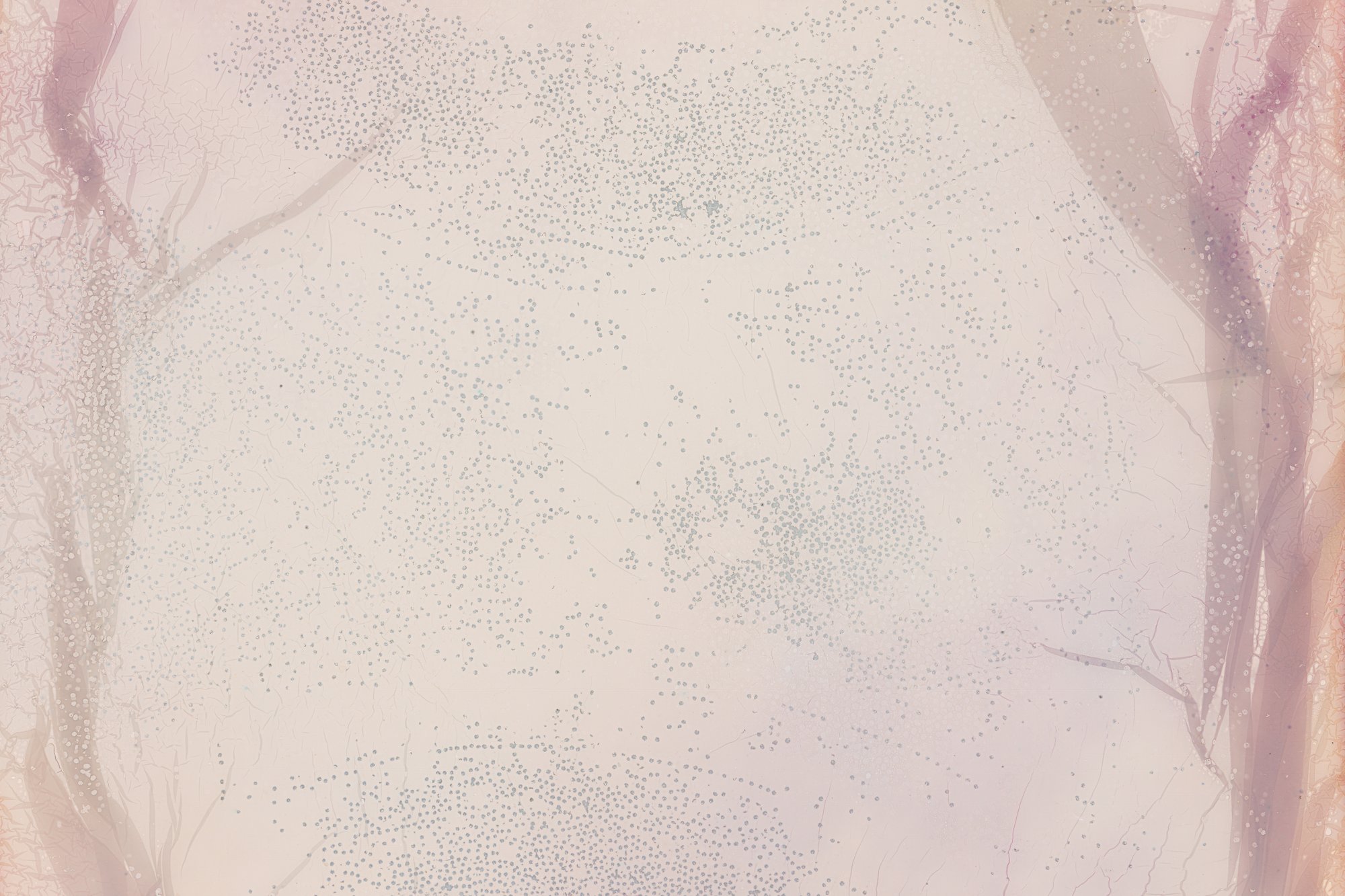

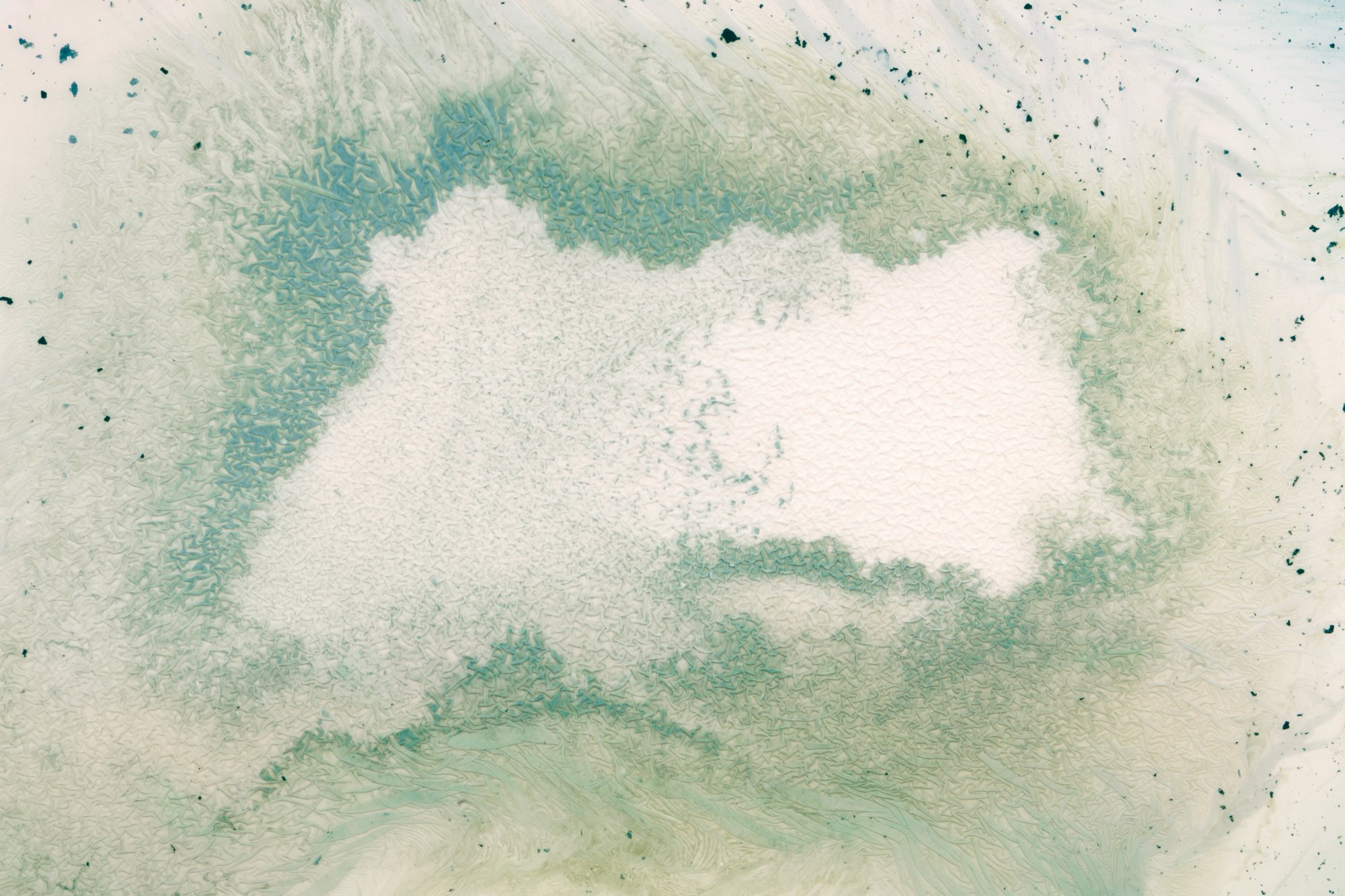
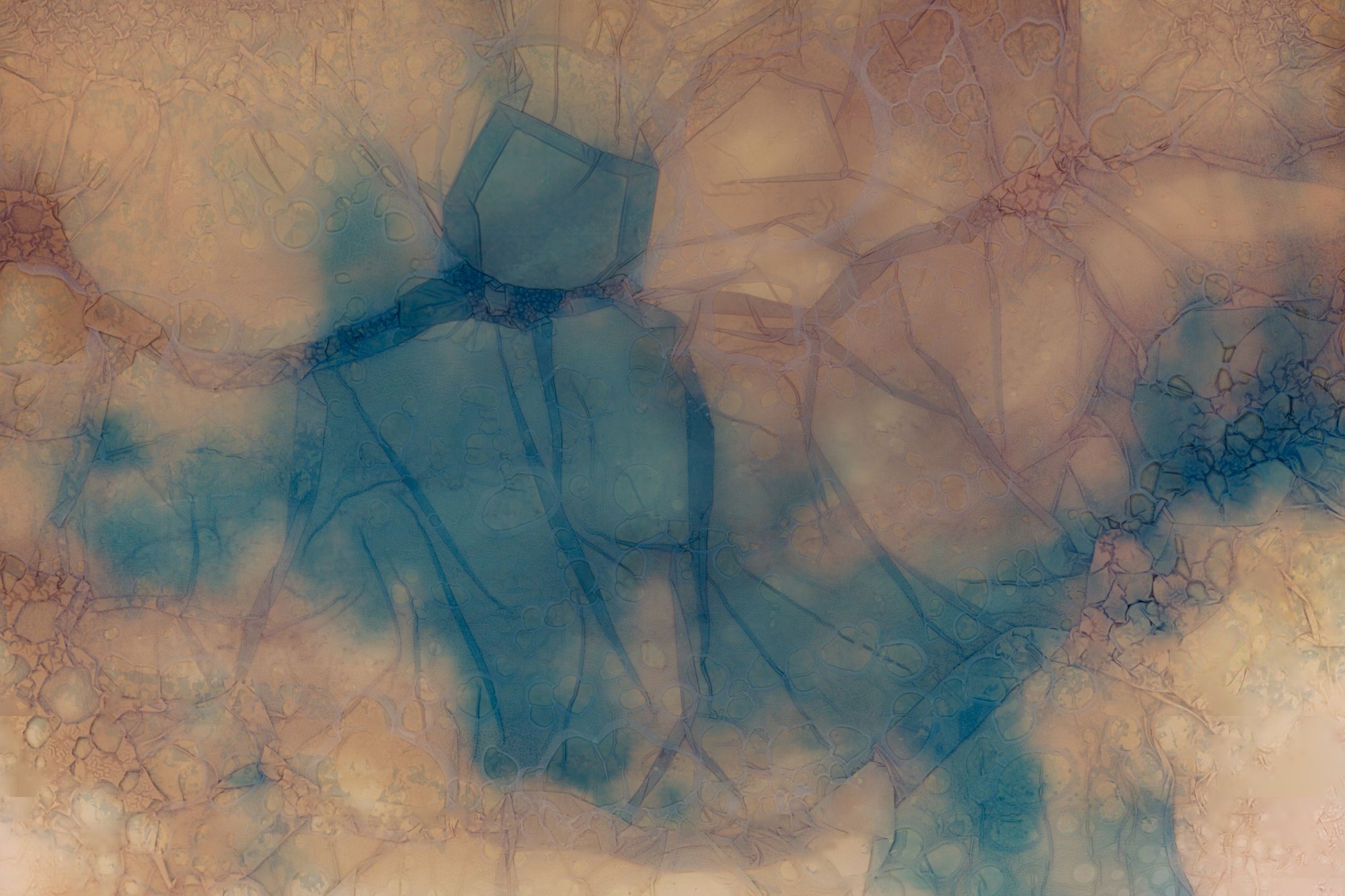
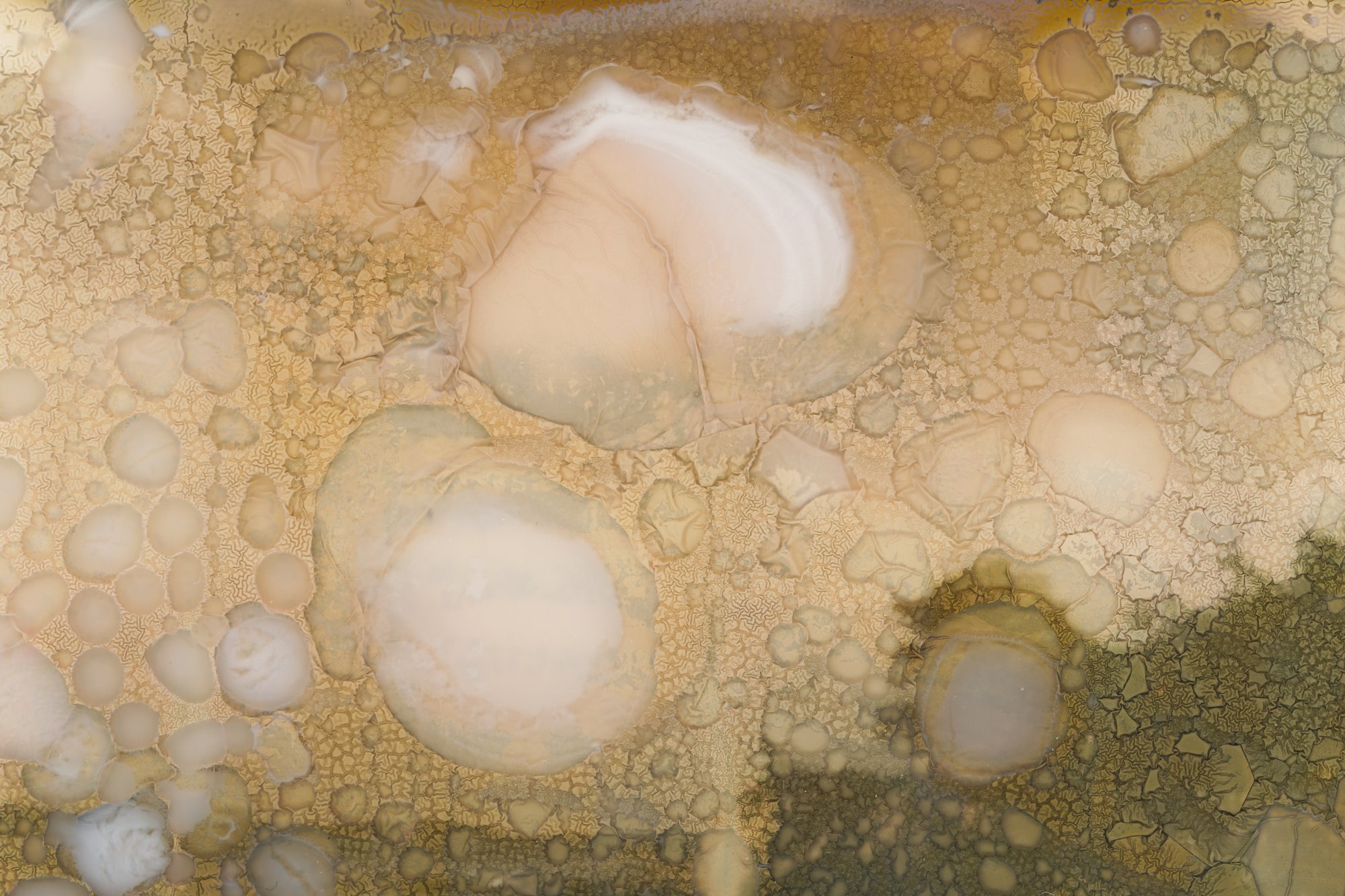
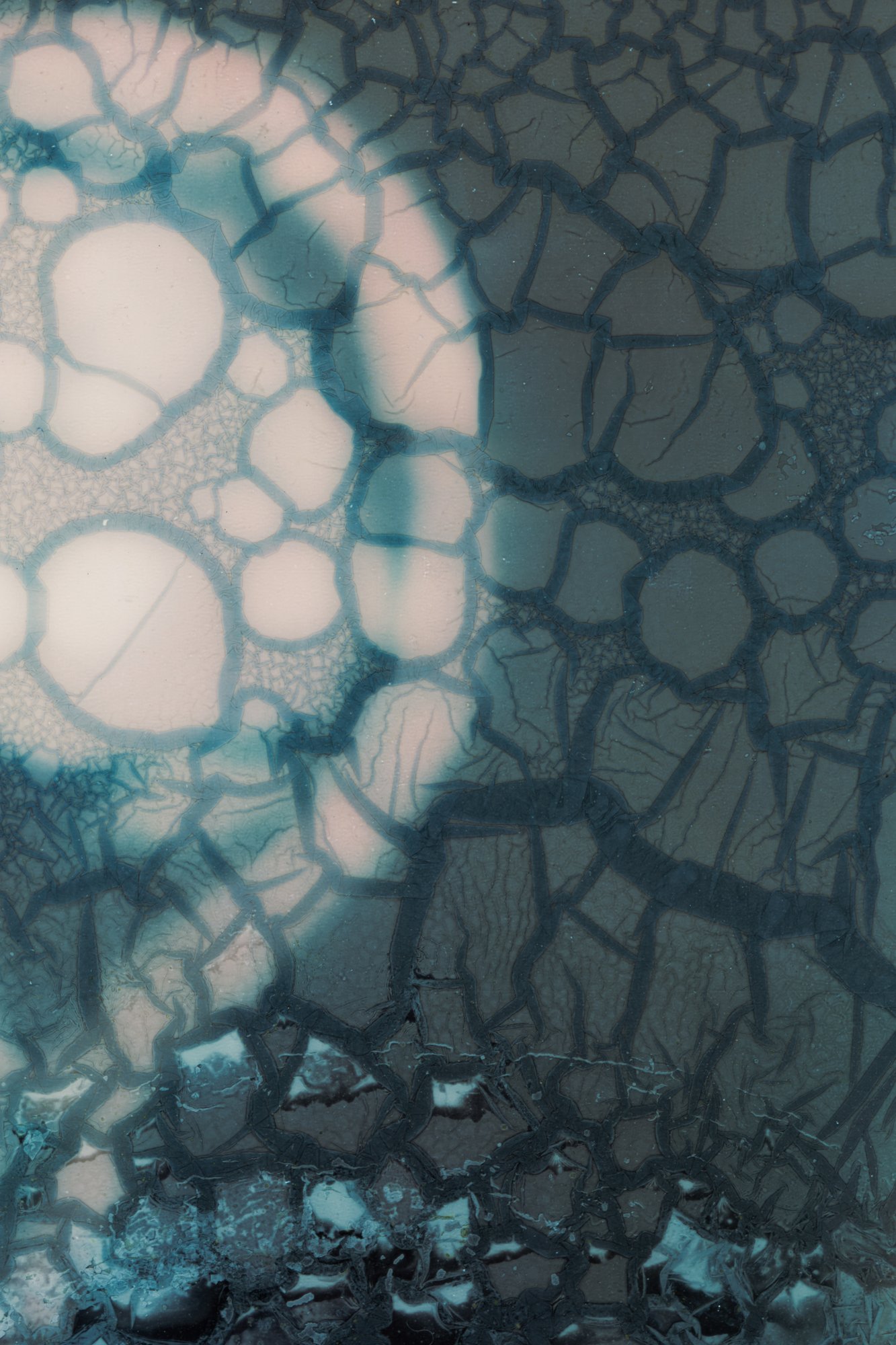
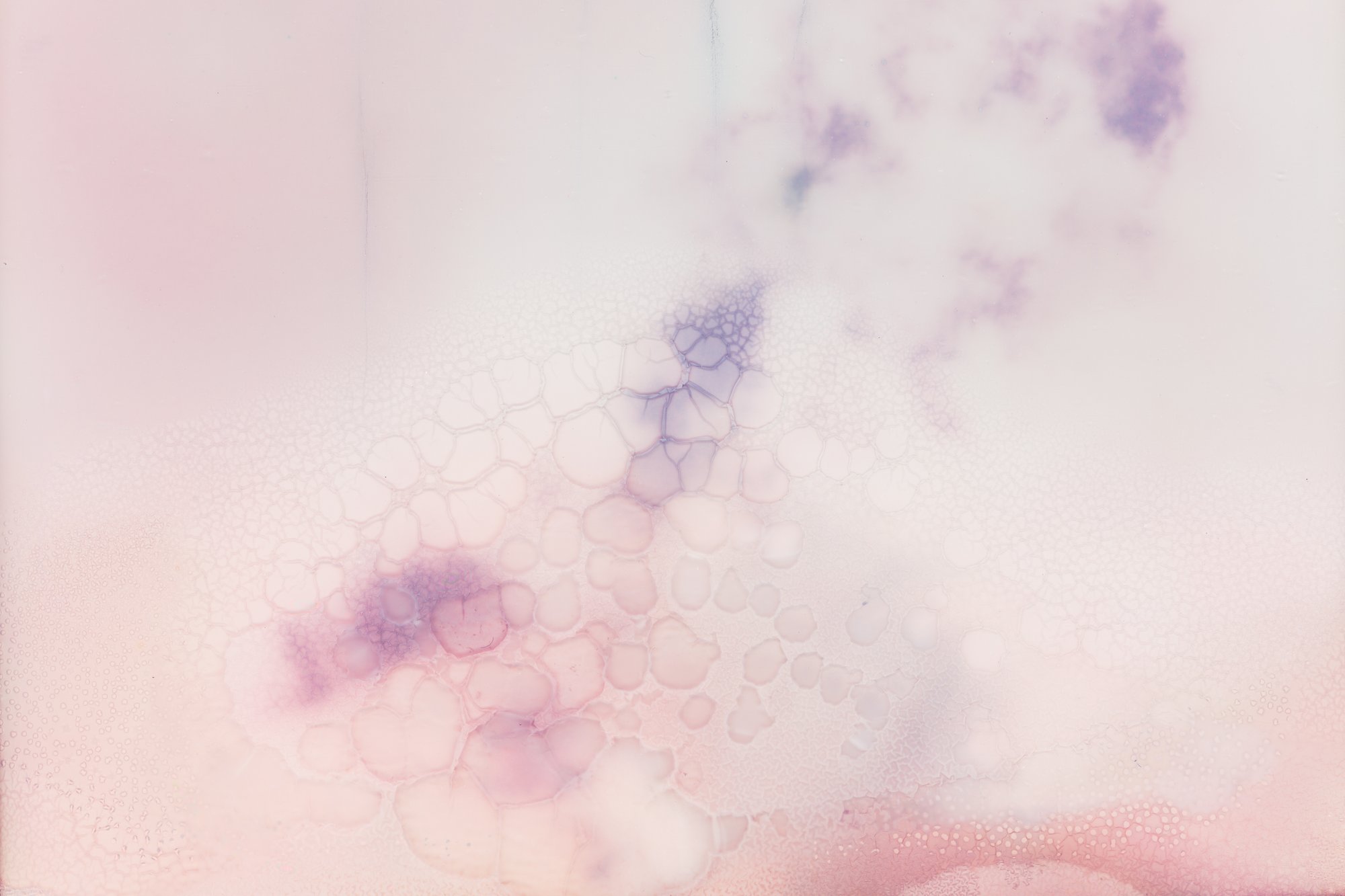
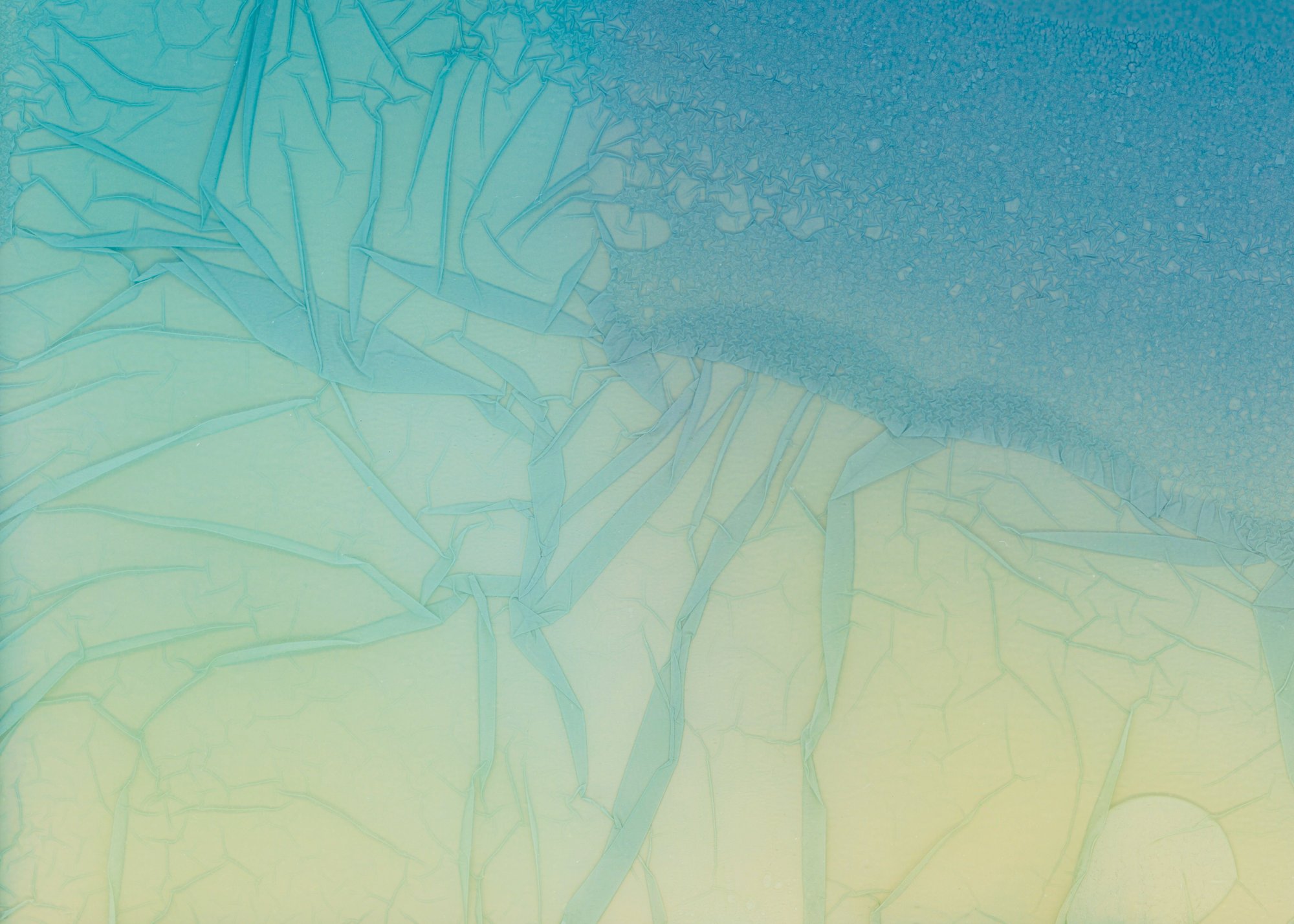
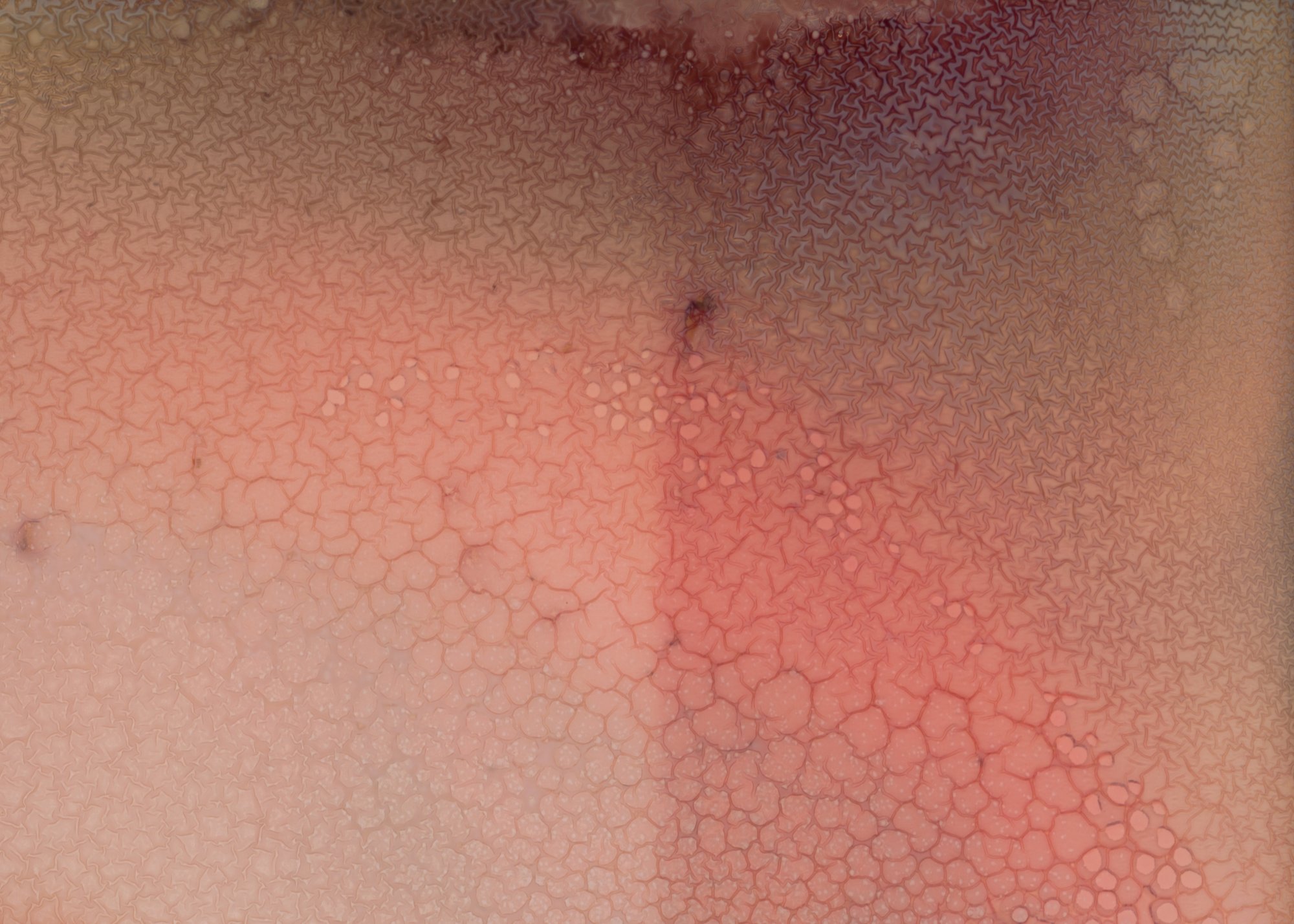

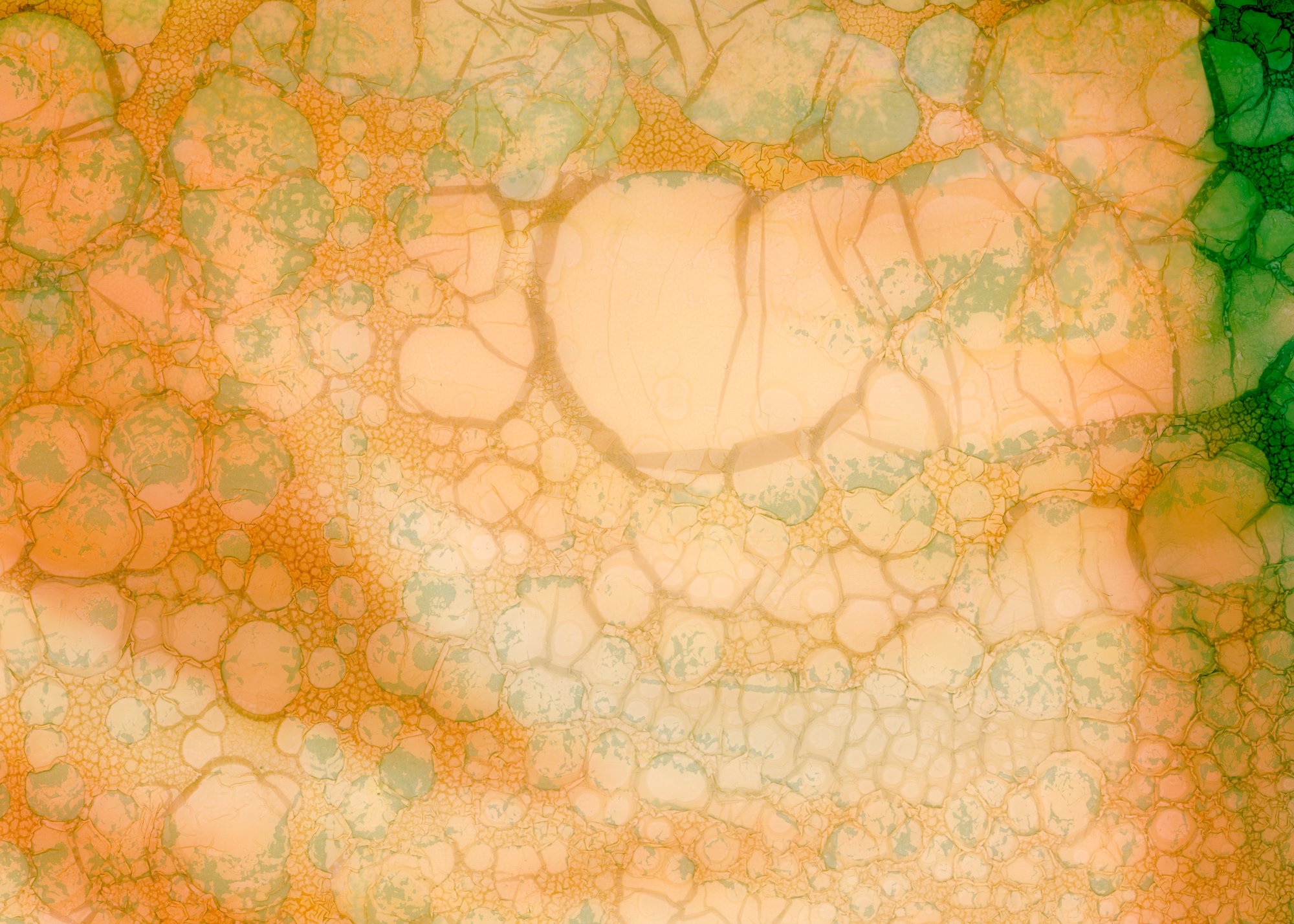


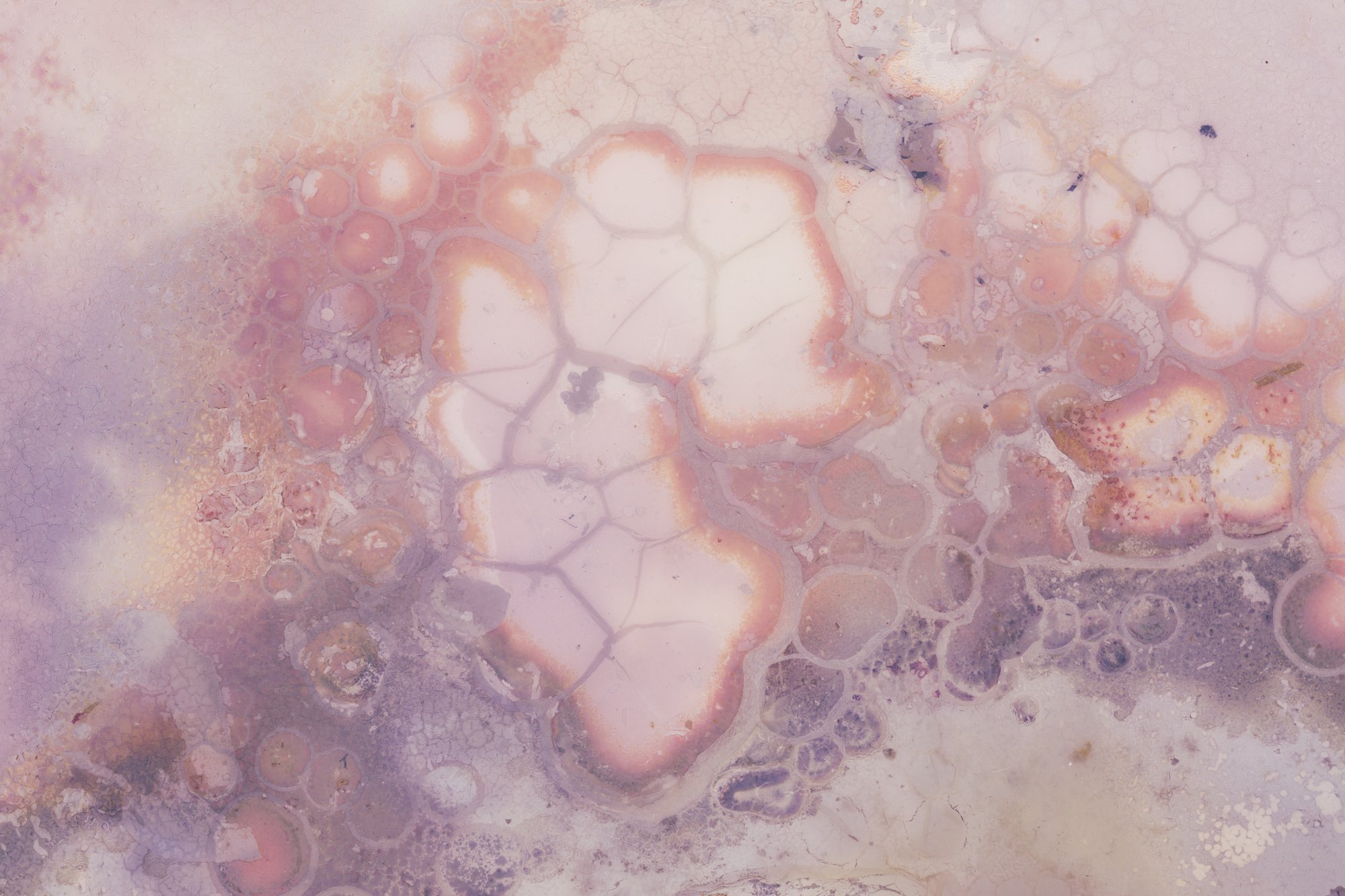
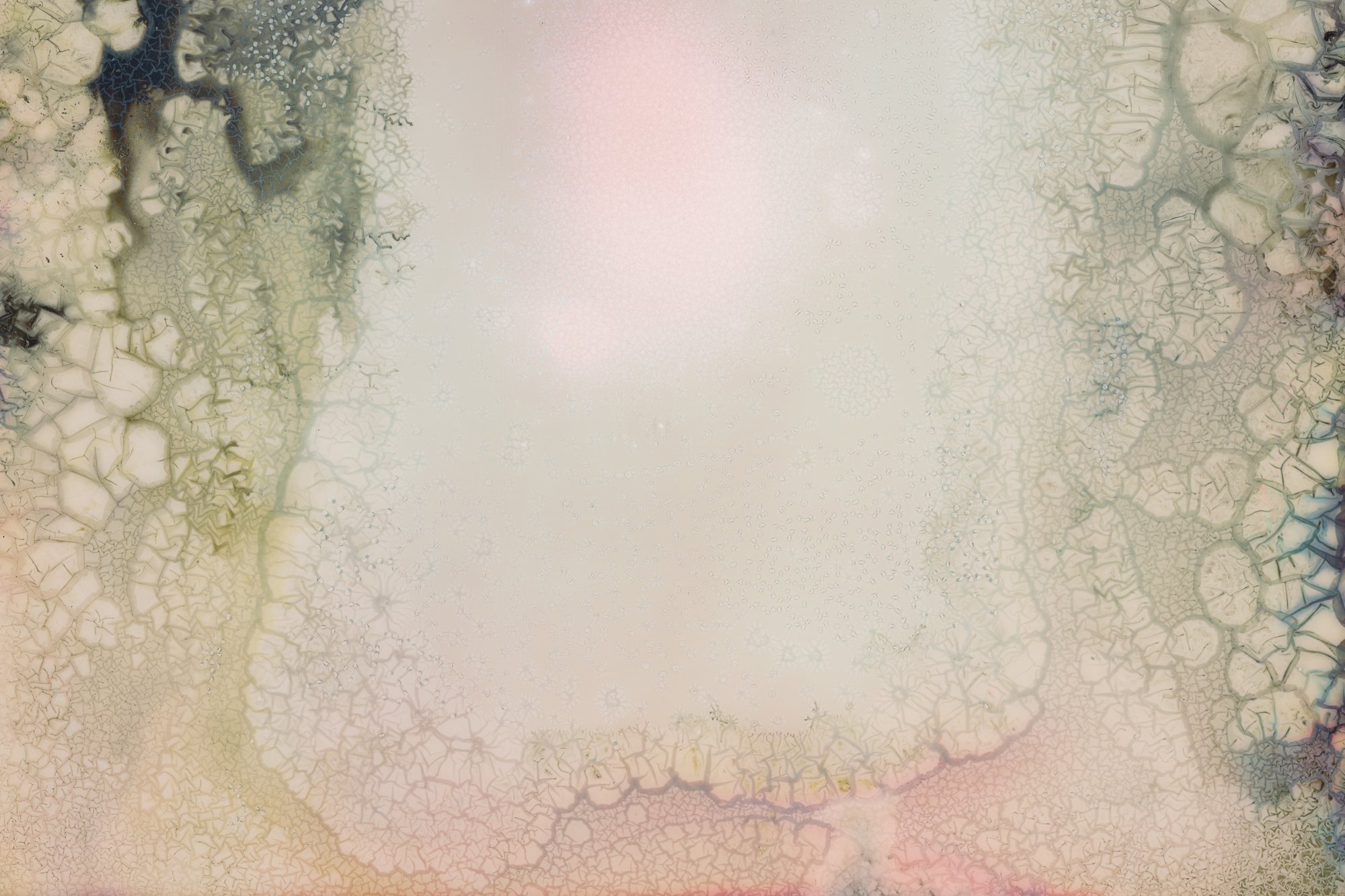
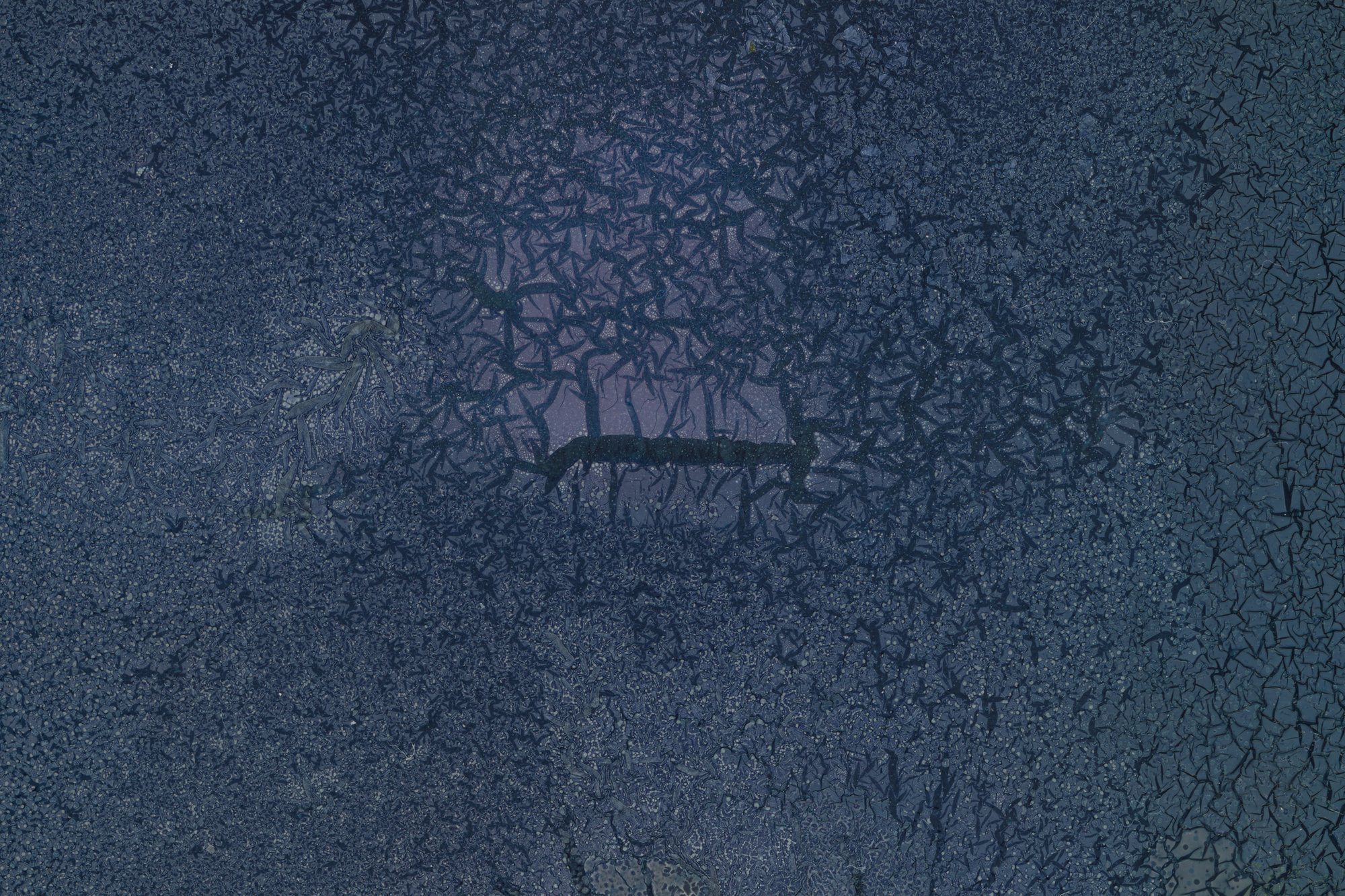
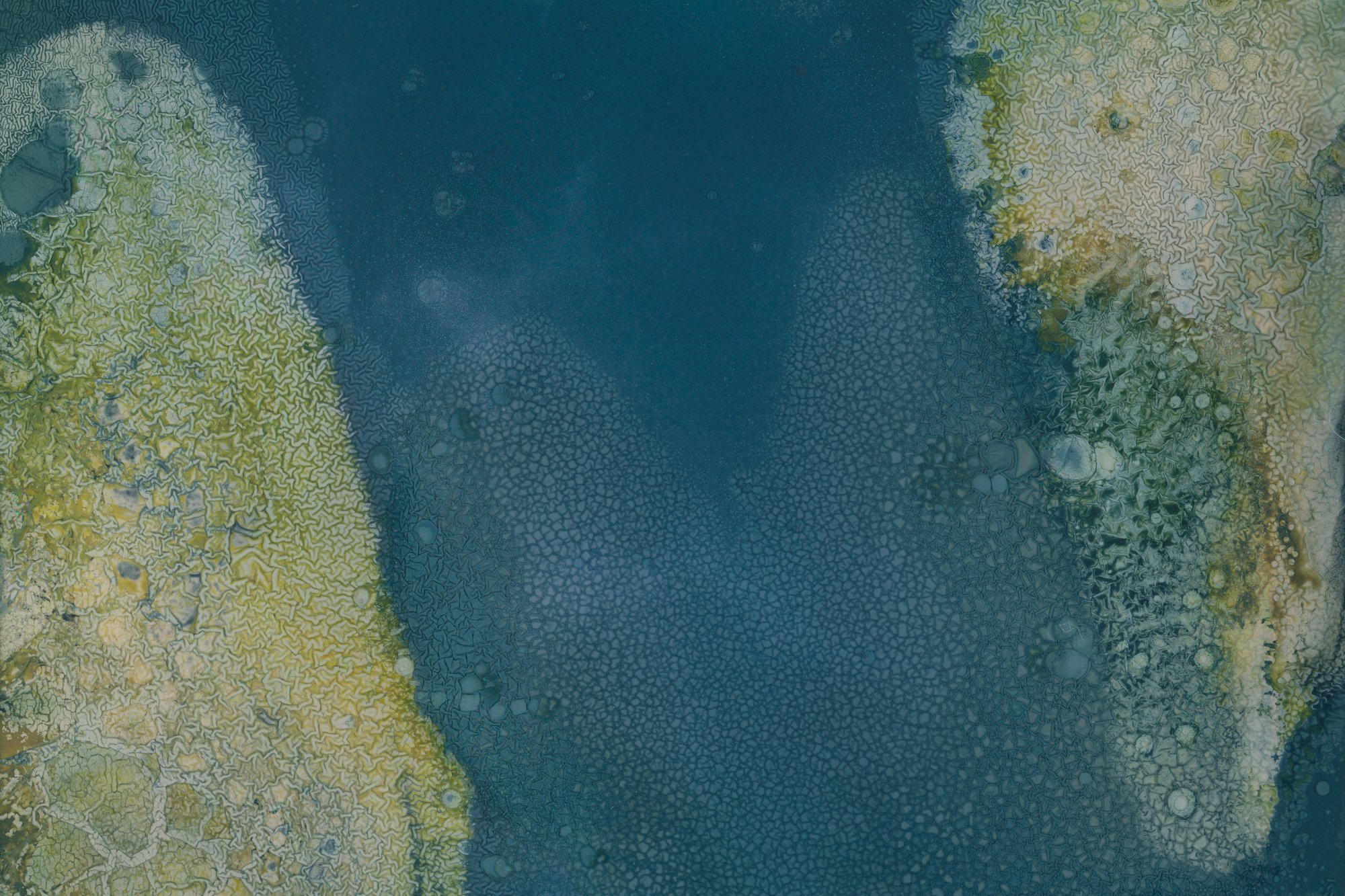

An exploration of sleep deprivation and the modern world's war on our circadian rhythms — explored through Polaroid images decayed in sedatives and stimulants.
"Sleep is the single most effective thing we can do to reset our brain and body health each day."
Matthew WalkerAlmost all life has been shown to exhibit a pattern of activity and rest that is about 24 hours in length. As a diurnal species, humans have evolved to be active during the day and sleep at night. But we are not sleeping the way nature intended.
Recognised as a global epidemic by the World Health Organisation (World Health Organisation 2012), the duration of sleep and when sleep occurs have all been comprehensively distorted by modern life. One third of adults in developed countries fail to sleep the recommended seven to nine hours per night (Watson N.F. et al. 2015). Insufficient exposure to natural light and a 24/7-world filled with brightly-lit rooms and back-lit screens directly impacts the quality and quantity of our sleep. And when sleep becomes short or is persistently interrupted, every major system, tissue and organ of our bodies suffers. We are effectively in direct combat with our own physiology.
The rhythmic pattern of activity and rest was first studied in the 1720's, in plants. Jean-Jacques d'Ortous de Mairan, a French natural philosopher, noticed the Mimosa pudica's sensitivity to daylight and the daily opening and closing of its leaves. Experimenting further, with the plant kept in darkness, de Mairan observed the plant continuing to rhythmically open and close its leaves, thereby demonstrating the presence of an internal rhythm or clock.
Our internal clocks tick with a rhythm of 24 hours and 11 minutes (Foster 2023: 7). About a day. An astronomical day, determined by the duration of the Earth's orbit, is fractionally shorter, ticking with a rhythm of 24 hours. Without daily resetting, our internal clocks will quickly drift and, in this instance, the consequences of a clock that tells the wrong time are potentially devastating. Our master clock is located in the middle of the brain, just above where the optic nerves cross over. Known as the suprachiasmatic nuclei or "SCN", it 'samples' the light signal being sent along the optic nerve from each eye and uses this information to reset itself. It is no coincidence that our most important re-alignment signal is light, especially the changes in light around sunrise and sunset.
With our sensitivity to light, the development of electric incandescent lighting at the end of the 19th century and its widespread commercialisation since the 1950's has had a profound impact on us. A catalyst for globalisation and a 24/7 society, this extraordinary resource has allowed us to occupy the night in a way almost unimaginable by our ancestors. The most vociferous concerns about the impact of artificial light and increased illumination on the human body did not come first from scientists or medical professionals. It was instead dystopian fiction such as George Orwell's Nineteen Eighty-Four and H.G. Wells' The Sleeper Awakes which first expressed such anxieties (Ludtke 2020). Their tales of constant illumination and societal control were, of course, fiction. Yet their writing now seems prophetic.
Underpinning a 24/7 lifestyle is the assumption that we can do what we want at whatever time we choose. As Professor Russell Foster notes in Life Time, an economy dependent upon night shift workers to care for the sick, clean our workplaces, re-stock our supermarkets, protect us from crime and maintain our transport and communications infrastructure demands that supposition (Foster 2023: 4). And whilst shift work is one of the most obvious disruptors, for many of us long work hours, family commitments and the squeezing of leisure activities into the nocturnal hours chips away at our time for sleep. But we are governed by a 24-hour biological clock and disrupting our active/sleep rhythm leads to internal desynchronity of our circadian system. The impact of that disruption significantly and adversely affects our bodies' ability to undertake the right physiological process at the right time.
But why do we sleep? From an evolutionary perspective, it seems utterly foolish. We can't gather food or reproduce. We become vulnerable to predators. Yet it has persisted over millennia. For centuries it was presumed that during sleep the brain was 'off-line': inactive until we wake. That inability to explain why we need sleep has played a part in society's apathy towards it. It wasn't until the 1930's and the development of the electroencephalogram (EEG) that we were, for the first time, able to measure electrical activity in the brain. Far from "off-line" during sleep, it showed the human brain cycling through four stages of sleep multiple times each night. Much more recent research has since shown that sleep is more complex and critical to our physical and mental health than many of us appreciate.
In Why We Sleep, Matthew Walker elegantly articulates how each stage of sleep performs different functions and that no one stage is more or less important than another, with each one co-dependent on the others. Good quality sleep improves our ability to learn, memorise, and make logical decisions and choices. It recalibrates our emotional brain circuits, allowing us to navigate social and psychological challenges with cool composure. Sleeping has also been shown to allow cerebrospinal fluid to flow into the brain in rhythmic pulsing waves, flushing out toxic memory-impairing proteins and metabolic debris. And the benefits extend far beyond the brain. It boosts our immune system, helping to prevent diseases and infection, whilst aiding healing. It fine-tunes the balance of insulin and blood glucose, and supports the regulation of our appetite through managing levels of leptin, the "full" hormone, and ghrelin, the "hunger" hormone. Plentiful sleep has been shown to lower blood pressure and help support a healthy gut microbiome. From a plethora of research across multiple medical disciplines comes an unequivocal message: "sleep is the single most effective thing we can do to reset our brain and body health each day" (Walker 2017: 8).
Yet in our quest for growth and profit, society's apathy towards sleep persists. And as we fight against our biology and continue to wage war on the night, we choose our weapons: stimulants to fight the fatigue, sedatives to induce sleep.
Caffeine is the most widely taken psychoactive stimulant globally (Evans et al. 2023). Found naturally in coffee beans, tea and cacao beans, it is often added to energy drinks and pain relievers. Caffeine works by blocking the brain's ability to detect a chemical called adenosine. Whilst awake, adenosine accumulates within the brain, simultaneously suppressing the wake-promoting regions and activating the sleep-inducing areas. As concentrations of adenosine increase throughout the day, the pressure to sleep becomes greater: we feel more and more sleepy. By temporarily preventing the brain from detecting adenosine, and therefore how tired we are, caffeine gives the illusion of wakefulness. However, during that stimulant-induced period of heightened alertness, adenosine continues to build — so as the effect of the caffeine wears off, the tiredness can become overwhelming.
Conversely, as some of us fight to stay awake, others struggle to sleep despite having the opportunity to do so. Insomnia, the most common form of sleep disorder, affects up to two thirds of the population, with chronic insomnia affecting 10–15% (Bonnet et al. 2023). Similarly, shift workers often struggle to sleep, attempting to do so when their internal clock is telling them it's time to be active and without the natural rise of melatonin that begins at dusk. Those wrestling with sleep disorders frequently employ sleeping tablets or alcohol, with the commonly-held belief that they help you fall asleep more easily. Binding to receptors in the brain that prevent neurons from firing, both effectively sedate areas of the brain. The result is a state more akin to light anaesthesia than natural sleep — the consequences of which are fragmented sleep and the suppression of, in particular, REM sleep: when information is committed to memory, and emotions and memories are processed and stored. Nature, it seems, cannot be fooled.
Our need for sleep is embedded within our biology. Described by Jonathan Crary in 24/7: Late Capitalism and the Ends of Sleep as "the calculated shattering of an individual", the denial of sleep as a form of torture can be traced back many centuries (Crary 2013: 6). The impact of sleep deprivation can be catastrophic, extending far beyond one's own health. Subsequent enquiries into the explosion of the space shuttle Challenger, the meltdown at the Chernobyl nuclear reactor and the Exxon Valdez oil spill in Alaska all cited sleep deprivation and the consequent impaired cognitive function as contributory factors. That same impairment, manifesting as a lack of concentration, exponentially increases our chances of crashing the car with every hour of sleep lost.
Until such time as that nefarious objective is achieved, we remain locked in a daily rhythm — one which demands we sleep as nature intended. With overwhelming evidence revealing the value of sleep for our physical and mental health, and the wider consequences of sleep deprivation, we should be asking ourselves whether the moral and economic cost of a 24/7 society is simply too high.